
Ultra-Processed Food Consumption Linked to Increased Risk of Mental Health Problems, New Meta-Analysis Shows
Ultra-Processed Food Consumption Linked to Increased Risk of Mental Health Problems, New Meta-Analysis Shows
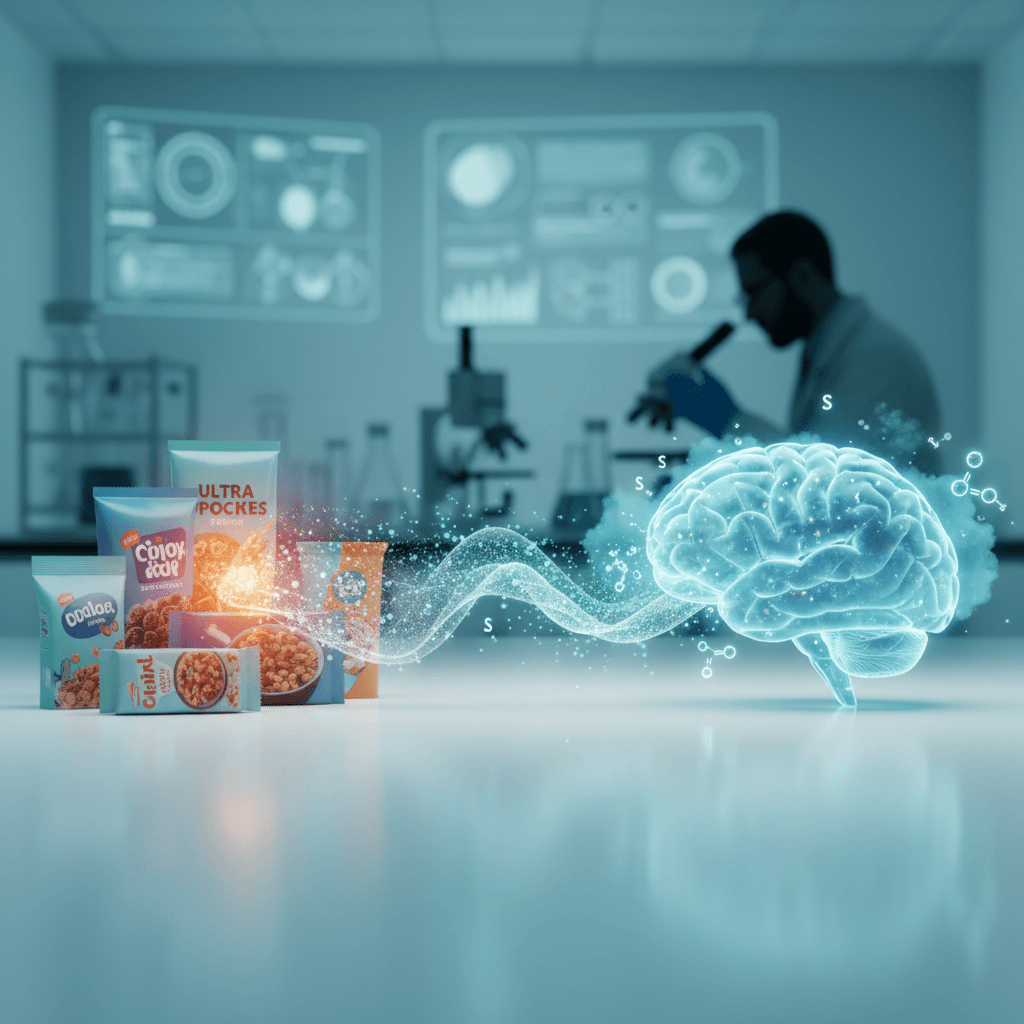
A comprehensive new review of existing research suggests a possible link between consuming large amounts of ultra-processed foods and a higher risk of mental health issues, including depression and anxiety. The findings contribute to a growing body of evidence exploring the potential impact of these foods on overall health and well-being.
What the Research Shows
The meta-analysis, published in the journal Critical Reviews in Food Science and Nutrition, pooled data from multiple observational studies examining the relationship between ultra-processed food intake and mental health outcomes. Researchers analyzed data from studies involving hundreds of thousands of participants across various countries and age groups. The results generally pointed towards an association between higher consumption of ultra-processed foods and an increased risk of depression, anxiety, and general mental distress.
Ultra-processed foods are typically defined as industrially manufactured items that may contain additives, artificial flavors, colors, and preservatives. These foods are often high in sugar, salt, and unhealthy fats, while potentially being low in essential nutrients. Examples include sugary drinks, packaged snacks, processed meats, instant noodles, and ready-made meals.
The researchers acknowledge that the studies included in the meta-analysis were observational, meaning they cannot definitively prove cause and effect. It is possible that other factors, such as socioeconomic status or lifestyle choices, could contribute to both higher consumption of ultra-processed foods and mental health problems. However, the consistent findings across multiple studies suggest a potential link. It is hypothesized that inflammatory responses and the subsequent impact on the gut-brain axis could play a role in the observed associations.
Why This Matters
The rising consumption of ultra-processed foods globally is a public health consideration. These foods are often marketed, readily available, and relatively inexpensive, making them accessible to consumers. The new research raises questions about the potential consequences of these dietary trends for mental health, particularly in vulnerable populations.
If further research explores a causal relationship, it could have implications for dietary guidelines and public health policies. Healthcare professionals may need to incorporate discussions about food choices into mental health assessments. Furthermore, policies aimed at promoting healthier alternatives could be beneficial.
What Experts Are Saying
Experts in nutrition and mental health caution against drawing definitive conclusions based on observational studies alone. Further research is needed to better understand the relationship between ultra-processed food consumption and mental health outcomes. Randomized controlled trials, where participants are assigned to different diets and followed over time, could provide more robust evidence.
Dr. Sarah Miller, a registered dietitian, noted, "While this meta-analysis highlights a potential association, it's important to remember that correlation does not equal causation. Other factors likely play a role, and we need to consider the overall dietary pattern and lifestyle of individuals, not just their intake of ultra-processed foods." She also emphasizes the importance of a balanced diet that includes fruits, vegetables, whole grains, and lean protein.
Looking Ahead
Future research should focus on identifying the specific mechanisms by which ultra-processed foods may impact mental health. Studies exploring the role of the gut and nutrient intake are warranted. Additionally, research is needed to explore the potential benefits of reducing ultra-processed food intake and adopting balanced dietary patterns. Examining the long-term effects of ultra-processed food consumption on mental health across different age groups and cultural contexts is also important.
The Bottom Line
This new meta-analysis suggests a possible link between high consumption of ultra-processed foods and an increased risk of mental health problems like depression and anxiety. While further research is needed, the findings highlight the importance of considering the potential impact of diet on mental well-being. Focusing on a balanced diet rich in whole, unprocessed foods may be beneficial for both your physical and mental health.
This article is for informational purposes only and does not constitute medical advice. Always consult with a qualified healthcare provider for medical guidance.